What is the New Media? | PR Guide for UK brands

Key takeaways: Everything you need to know about the new media
1. New media is essential – Social, creator-led platforms, podcasts, newsletters, and influencers let brands reach audiences where they actually spend time.
2. Brands should combine traditional and new media – Integrate print, broadcast, and digital channels to maximize reach, credibility, and engagement in 2026.
3. Be audience-first – Place your brand where your audience is, tell authentic stories, and monitor conversations in real time.
4. Use creators & influencers – Partner with trusted voices to amplify your message and build credibility.
5. Measure and optimise – Track engagement, sentiment, and reach to refine strategy and improve ROI.
Bottom line: Brands that embrace new media connect, engage, and build trust—while those that don’t risk missing key opportunities to reach their audience in 2026. New media is no longer optional.
What is the new media?
New Media refers to digital channels where audiences actively engage, create, and share content online - beyond traditional press and broadcast outlets. It’s all about authentic conversations, community engagement, and measurable impact. Unlike traditional media, new media is interactive, social, and often influencer-driven, making it a core part of modern PR strategies.
Example new media placements for brands:
- Podcasts – Guest appearances on niche or industry shows to share insights.
- LinkedIn Articles & Personal Branding – Thought leadership content for executives.
- Substack & Email Newsletters – Engaging directly with highly targeted audiences.
- YouTube & Video Channels – Storytelling through tutorials, interviews, or behind-the-scenes content.
- Industry Communities & Forums – AMAs, expert commentary, or interactive discussions in places like Slack, Discord, or professional networks.
These placements help brands build credibility, reach highly engaged audiences, and drive measurable results - all while creating content that resonates beyond a one-off press mention.
Download our New Media litepaper for social-first PR
Sign up to get your copy of our litepaper and discover how to use new media to reach modern audiences, amplify your brand, and stay ahead in 2026.
Examples of new media placements
1. O2 / Red Roses PR campaign covered on JOE.co.uk
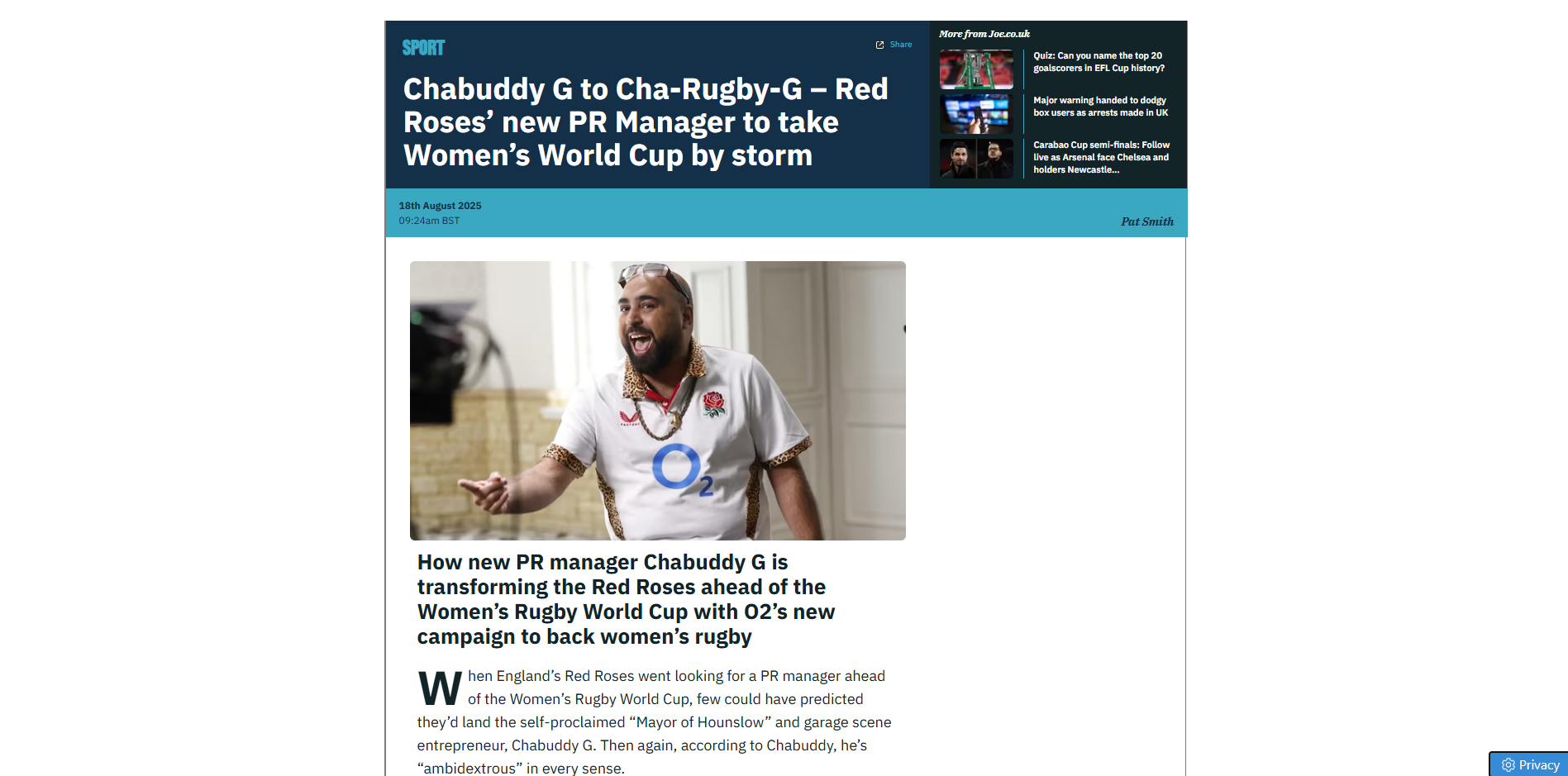
About O2's Red Roses Campaign
O2’s Red Roses Women’s Rugby World Cup PR feature earned editorial coverage in JOE.co.uk, a social-native entertainment and culture media outlet with strong reach among younger audiences. The story positioned O2’s campaign narrative in a new media publication rather than just paid or owned channels, demonstrating PR-led cultural resonance
Download our New Media Litepaper
2. Lime x Lydia Bolton in HypeBeast
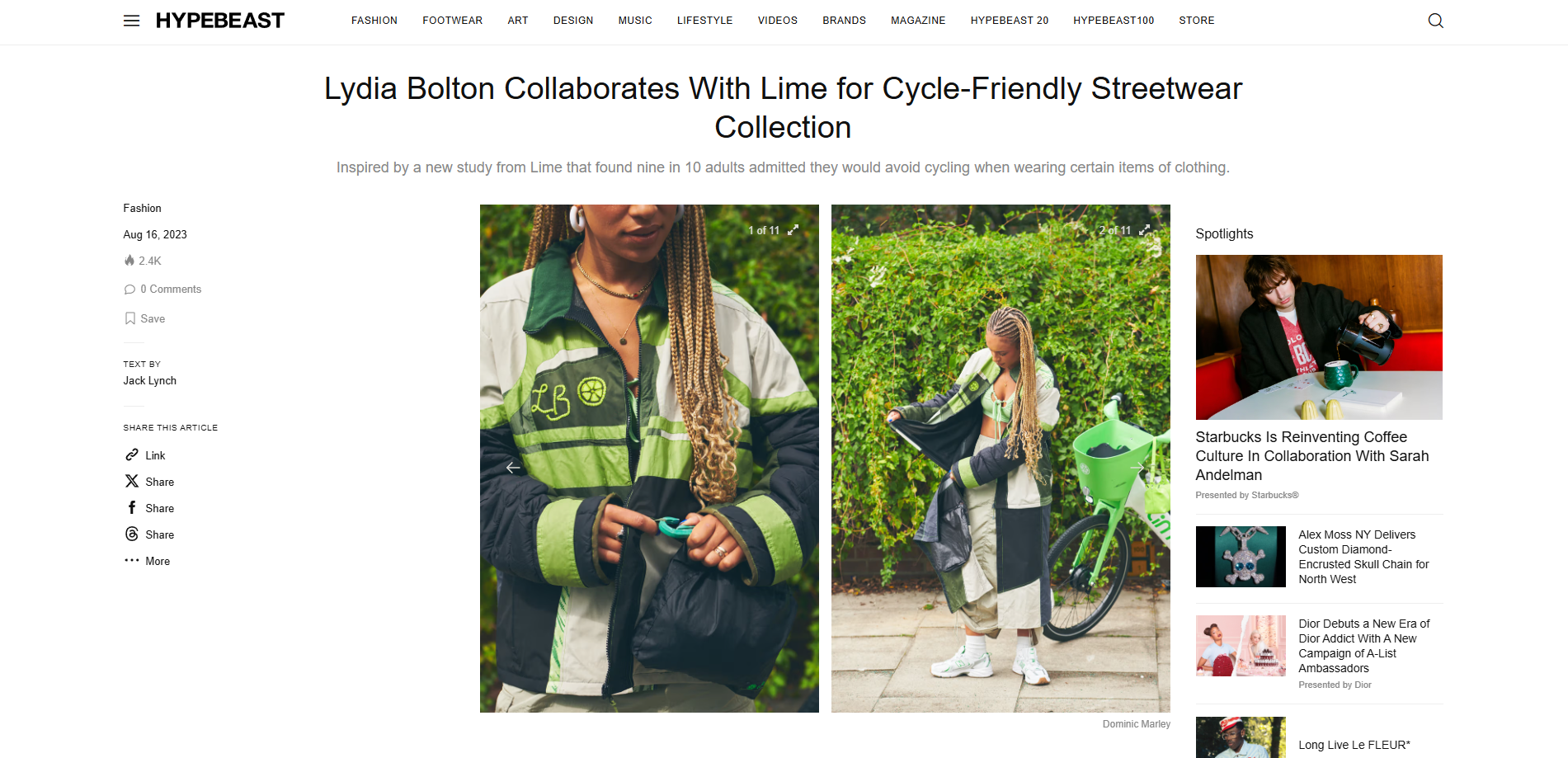
About Lime x Lydia Bolton Collab
Lime’s collaboration with Lydia Bolton earned editorial coverage in Hypebeast, a global culture-led digital publisher. The story was positioned at the intersection of sustainable fashion and urban mobility — demonstrating how creator partnerships can translate into earned coverage within new media outlets, not just social reach
Download our New Media Litepaper
Why new media PR matters for brands
The advantages are clear:
- Reach bigger audiences – TikTok now connects with 48.4% of UK adults, LinkedIn counts 45 million UK members, and Instagram boasts over 35 million users (DataReportal)
- React in real time – track engagement and sentiment in real time by monitoring comments
- Build credibility and trust – authentic digital conversations build your brand reputation on channels that your audience are using
Fun fact: With 34% of UK adults relying on social media for news, multi-platform strategies aren’t optional—they’re essential (PRMoment)
How new media fits into a modern PR Strategy
New media doesn’t replace traditional PR—it supercharges it. Your choice of platforms depends on your brand, sector, and audience. Start by auditing current coverage and understanding where your audience are,, then layer in the channels that amplify reach, spark engagement, and drive action.
- Target niche audiences: place your brand’s story in outlets with niche yet loyal followings, like podcasts, newsletters, or blogs.
- Monitor sentiment in real time: track reactions and pivot quickly.
The result: a smarter, faster, and more audience-focused PR strategy.
The risk of ignoring new media in PR
Brands that ignore new media in PR risk being left behind:
- Lost engagement: digitally-native audiences won’t wait.
- Diminished relevance: in a crowded media landscape, visibility is key.
Fun fact: UK analysis shows top media articles fell 21% and brand stories 28%, highlighting why social and digital channels are critical (PRMoment).
Ignoring new media hands opportunities to competitors who embrace digital, interactive, and measurable channels—leaving your brand invisible where it counts.
How new media works with Traditional Media
New media doesn’t replace traditional PR—it supercharges it. When used together, you get bigger reach, deeper engagement, and measurable impact.
- Social media amplifies coverage – social-first outlets will turn your story into platform-specific content
- Influencer content drives audiences to press – authentic voices guide people to your brand.
- Podcasts and interactive channels add depth – these channels give traditional stories more context, personality, and stickiness.
The result? 360-degree campaigns that blend credibility, reach, and engagement—where traditional and digital channels work in harmony to make your brand impossible to ignore.
Stay head of your PR strategy in 2026
Grab your copy of our New Media Litepaper and see how adding new media to your PR strategy can help your brand reach the right people, spark engagement, and stay ahead in 2026.
FAQs: What is the new media?
1. What is new media?
New media is a catch-all term for social-first, creator-led media outlets - that don’t fall under traditional media. New media largely sits within digital channels like social media, podcasts, newsletters, influencers, and online communities to build brand awareness, reputation, and engagement in real time, alongside traditional media.
2. How is new media different from traditional media?
Traditional PR focuses on press coverage across print, broadcast and radio. New media is still used by traditional press outlets, like the BBC, but shared on digital-first or creator-led channels.
4. What new media channels should a brand be using?
The most effective mix usually includes social media (LinkedIn, Instagram, TikTok, X), influencer partnerships, podcasts, digital newsletters like Substack— but all should be chosen based on audience behaviour and brand goals.
5. How does a PR agency use new media to support brand growth?
Audiences are changing how they consume media, and where they consume it. A PR agency places your brand in new media outlets to meet your target audience where they are. Whether it’s a niche Substack, or social-first/culture led platform like JOE. .
7. How do you measure the success of new media PR?
Success is measured through performance indicators like engagement, reach, sentiment, shares, traffic, —giving brands clear insight into performance and ROI.
UK Sources & References
- Online nations report 2025 - Ofcom
- PR skills gap: Digital literacy & new media — PRMoment
- Data Reportal: Digital 2026: The United Kingdom
- PR skills gap: Digital literacy & new media — PRMoment

.avif)
.avif)
.png)
